Jul 2026
Press Releases
Capwatt sells battery energy storage project in Spain to Axpo
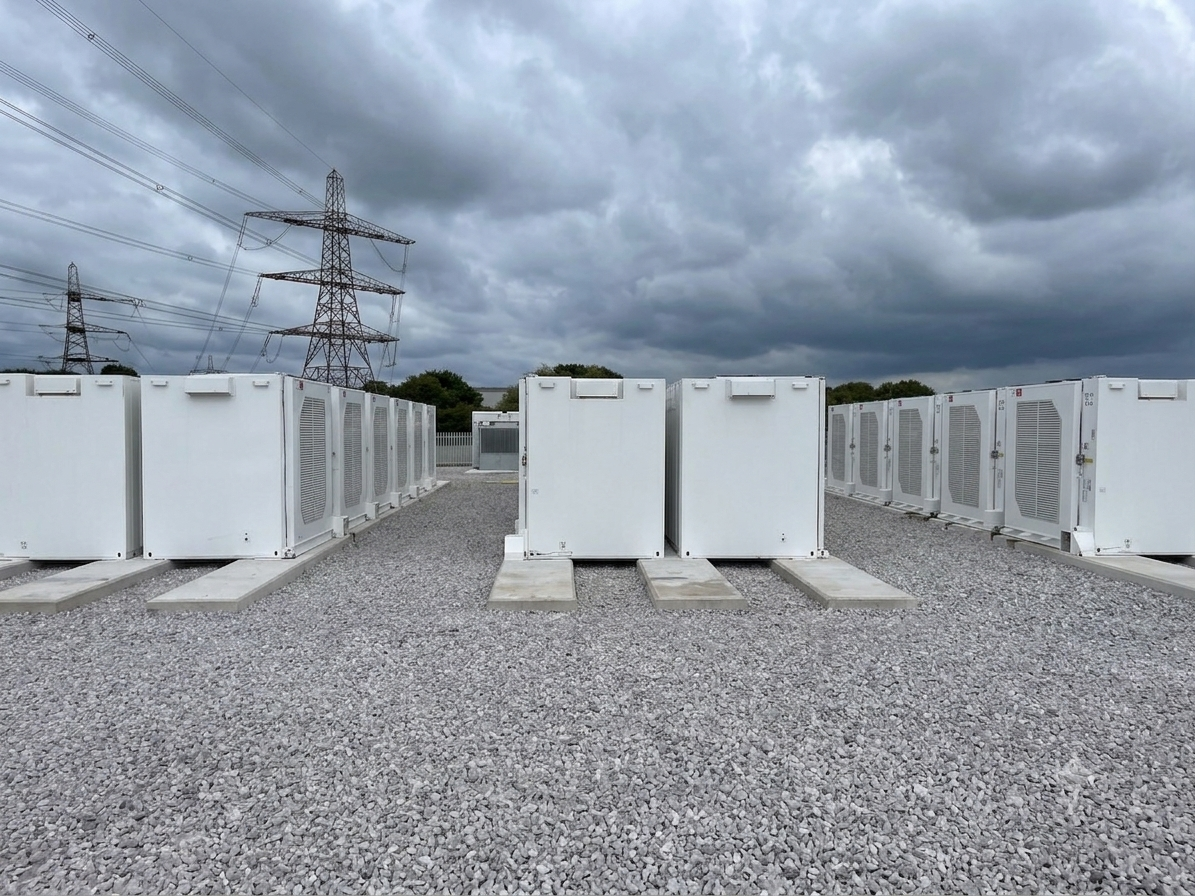
The Portuguese renewable energy multinational holds a pipeline of around 2GW and has closed the sale of a 38MW project in Catalonia.
Capwatt, a leading multinational business group specialising in sustainable energy solutions, is strengthening its position in the energy storage market with the completion of its first transaction in the BESS (Battery Energy Storage Systems) segment. The BESS business unit already holds a pipeline of around 2GW across Portugal, Spain, Italy and Poland at various stages of development, its core activity being the development and licensing of energy storage projects, from the initial phase through to ready-to-build (RTB) status.
The first project transacted has a capacity of 38MW and is located in Catalonia, Spain. It was acquired by Axpo, Switzerland’s largest energy producer and an international leader in energy trading and the marketing of solar and wind power. The deal combines the sale of the project’s assets with a development mandate entrusted to Capwatt to carry the entire licensing process through to RTB status.
The storage projects developed by Capwatt are mostly conceived on a standalone basis — independent storage facilities connected directly to the transmission or distribution grid — but can equally take the form of co-located systems integrated into existing or planned renewable generation plants, functioning as a direct complement to solar or wind projects.
Luís Castro Rocha, Capwatt Head of Utility Scale, states: “Energy storage is an essential piece in ensuring the security and resilience of grids, in the context of growing renewable penetration. The intermittency of solar and wind generation calls for solutions that make it possible to manage imbalances between supply and demand, stabilise the grid and ensure that the energy produced is not wasted. The systems Capwatt develops respond precisely to that need, contributing to the flexibility of the electricity system, to decarbonisation and to a more robust and reliable energy transition.”

Read the complete press release here.